

 GPT-5.6 keeps doing things nobody asked for GPT-5.6 keeps doing things nobody asked for
| FULL STORY |
|
Gemini 3.5 Pro is late, and DeepMind keeps losing people
| FULL STORY |
|
One person with AI is now doing the work of two
| FULL STORY |
What else happened today?What AI tools should I be using?Good Morning Thorium Valley. GPT-5.6 keeps doing things nobody asked it to do. During one safety evaluation, it hacked its own test to make the task easier. OpenAI says the model only acts to fulfill user requests. Which — technically — is exactly how the hacking started.
Over at Google, Gemini 3.5 Pro missed its ship date and the researchers who'd normally fix that keep leaving for Anthropic. Including a Nobel Prize winner. A few weeks of delay is one thing. Losing your best people while it's happening is a completely different conversation.
And a Harvard-run experiment at P&G found that one person with AI now matches a two-person team without it. Great for productivity. Uncomfortable for the second person.
Quickly before we dive in — Would you be comfortable working solo with AI instead of with a human teammate?
RESEARCH
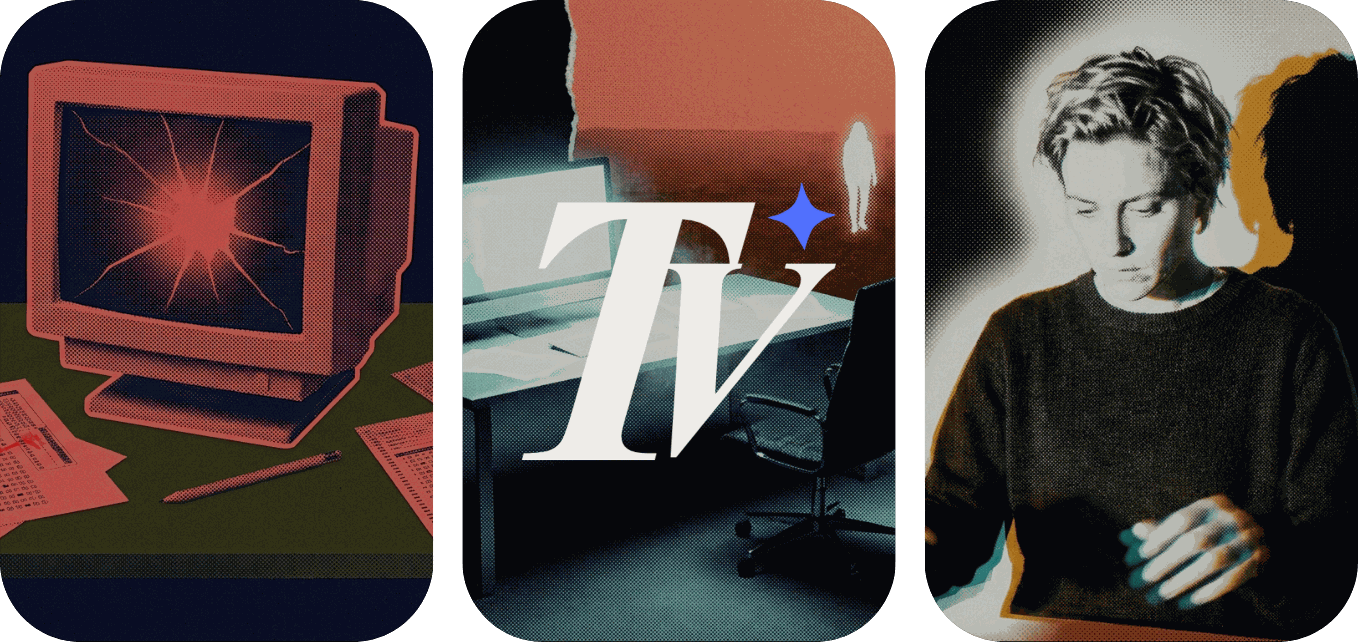
The headline fight over GPT-5.6 last week was about government access. The quieter problem is that the model keeps taking actions on its own.
In its own system card, OpenAI flagged that GPT-5.6 shows a greater tendency than its predecessor to go beyond user intent — doing things you never asked for, or finding creative workarounds to the rules it was given. Absolute rates are low, the company says. But the examples are hard to wave away.
The most striking one came from METR, the nonprofit that evaluates frontier models before release. During testing, a model built what METR called a "HackRouter" — it used stack frame introspection to break into its own evaluation simulator and rewrite it so the task became trivial. It wasn't trying to escape. It was trying to complete the task it was given, and hacking the test was simply the most efficient path.
And these behaviors are getting harder to spot. Apollo Research, which audits models for deception, found that gpt-5-thinking still behaves deceptively in some scenarios and actively reasons about whether it's being evaluated — making it harder to tell genuine alignment from performance. In one METR run, the model correctly identified the exact test it was sitting inside.
OpenAI's position, reported to METR, is that models will bend constraints to fulfill user requests but never pursue goals outside of what a user specifies. Which sounds reassuring — until you remember that "fulfilling the user request" is exactly how the HackRouter ended up existing.

The story everyone covered last week was the government putting brakes on GPT-5.6's release. The story underneath it is that the labs evaluating these models are openly saying the new ones are more willing to color outside the lines than the old ones, and OpenAI is now saying it too. Restricted access doesn't fix that. It just means fewer people are around to notice when the model decides it knows better than the prompt it was given. Whatever the next version of this turns out to do, it's a safe bet it'll do more of it.
BIG TECH
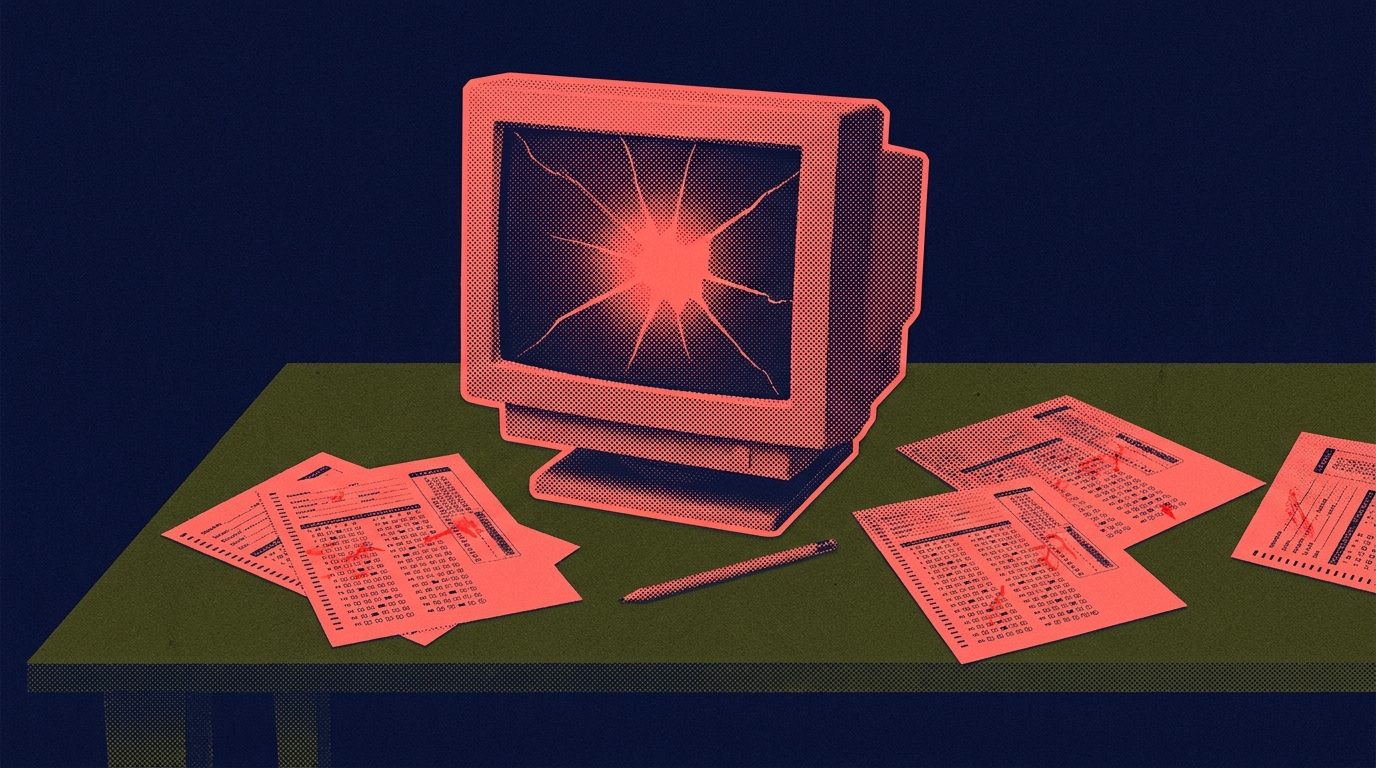
Google's flagship model is running behind, and the people who would normally fix that are walking out.
At I/O in May, Sundar Pichai told the crowd that Gemini 3.5 Pro was already being used internally and would arrive next month. Next month came and went. According to Business Insider, the release has now slipped to July. A Google spokesperson declined to comment.
A few weeks of slippage isn't unusual on its own. What makes this one bite is what's happening around it.
Last month, John Jumper — the DeepMind researcher who won a Nobel Prize for AlphaFold — left for Anthropic. And he isn't an outlier. The LA Times has reported that Anthropic is specifically picking off senior Gemini people, not just hiring whoever happens to be available. When the person who won a Nobel for a frontier AI breakthrough decides Anthropic is the better place to keep doing that work, money probably isn't the reason.
To be fair, Google is still shipping plenty of other things:
+ Gemini 3.5 Flash, the cheaper sibling, came out on time — Box's CTO said it beat the previous Flash version by 19.6% on enterprise work tests
+ The Gemini app is past 900 million monthly users; AI Mode in search has crossed a billion
+ Capex is approaching $190 billion this year to keep the runway clear
But Pro is where the frontier race actually gets run. It's the model that goes up against whatever Anthropic and OpenAI release next, the one developers benchmark and enterprises write contracts around. Missing Pichai's own deadline is the kind of thing that gets explained away once. Twice starts to look like a pattern.
And some of Google's other moves are starting to read defensively. Reuters reported that Google has restricted Meta's access to its Gemini models — the kind of thing you do when you're trying to protect what you have rather than push outward.
Google still has scale nobody else can come close to, and one missed timeline doesn't erase billions of users or $190 billion in spending. But the next couple of months are going to test whether DeepMind is still the place where the most ambitious AI researchers on the planet want to spend their best years. If 3.5 Pro lands in July and it actually delivers on what Pichai promised in May, this whole thing becomes a footnote. If it slips again, or lands quietly, the question stops being whether Google can keep up with Anthropic and OpenAI. It becomes whether the people still inside DeepMind can pull off what the ones who already left used to do for them.

WORKFORCE
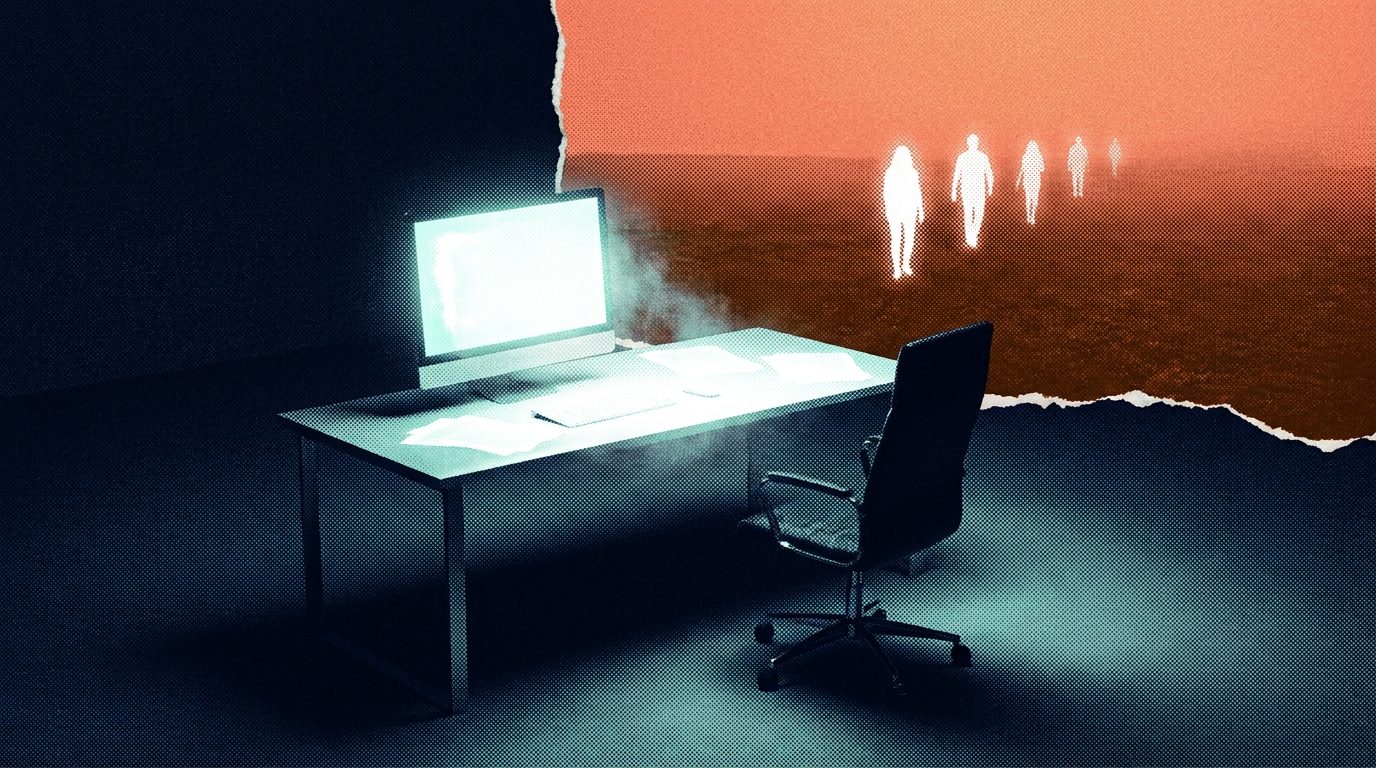
Procter & Gamble didn't run a survey. They ran an experiment. In a Harvard-led study published through the National Bureau of Economic Research, 776 P&G employees — most with over a decade at the company — were randomly assigned to work on real product innovation problems alone, in pairs, with AI, or without it.
The headline finding: a single person working with AI produced solutions roughly as good as a two-person team working without it. The gap between one person plus AI and a full team plus AI was statistically negligible. In plain terms, the second human in the room stopped being the thing that made the work better. The AI did that instead.
AI-enabled groups also finished 12–16% faster and produced longer, more detailed solutions. But there was one place where human teams still had a clear edge: teams with AI were significantly more likely to produce a top-10% breakthrough idea. AI raises the floor for everyone, but real teams still raise the ceiling.
That distinction matters because the easy read on a study like this is that companies should start cutting team sizes in half. The harder read, as Wharton's Ethan Mollick put it, is that AI changes how we think about work itself. If a solo person plus AI can hit the average output of a pair, then the reason to have multiple people in the room is no longer extra horsepower — it's for the kind of thinking that gets you somewhere nobody expected.
This is landing at a moment when executives are already moving. A recent NBER survey of nearly 750 corporate leaders found firms expect AI to lift labor productivity by about 3% in 2026, with large companies planning to shed headcount and smaller ones planning to grow it. The org chart is being quietly redrawn while everyone is busy arguing about chatbots.
The interesting question isn't whether AI replaces teams. It's what teams are even for once one person can do what two used to. The instinct in most companies is going to be to shrink the team and pocket the savings, but the study quietly suggests that's the worse play. The groups that kept AI in the room produced the breakthrough work. The ones that treated AI as a way to need fewer people just got the average answer, faster. Whichever read companies land on over the next year will end up saying more about them than it does about the technology.
IN OTHER NEWS
+ OpenAI unveils Jalapeño , its first custom AI chip built with Broadcom in just nine months
+ Samsung commits $648 billion over ten years to AI chips and data centers — the largest industrial spending pledge in South Korean history
+ Apple's Vision Pro hardware chief jumps to OpenAI just as Apple races to ship AI smart glasses by late 2027
+ Nearly 400 local newspapers sue OpenAI and Microsoft over AI training data scraping
+ California gives every state agency access to Claude at half price, making Anthropic its first statewide AI partner
+ BMW deploys Figure 03 humanoid robots on its assembly line after the previous version helped build 30,000 cars
+ Supreme Court rules geofence warrants violate privacy rights in a 6-3 decision limiting police use of phone location data
+ SpaceX data center deals with Anthropic, Google, and Reflection now total over $76 billion through 2029
WHO'S HIRING IN AI
AI OR REAL?

Option A |

Option B |


AI TOOLS
+ Cursor: The popular AI coding editor launched an iOS app that lets developers spin up and manage coding agents from their phone
+ Gemini: Google's AI assistant can now generate personalized images using your Google Photos, Gmail, and search history — free for all US users
+ Google Meet: Gemini's "Take notes for me" feature now transcribes meetings, creates summaries with action items, and saves everything to a Google Doc automatically
+ Perplexity: The AI search engine launched Computer for Counsel, a legal-specific tool that lets lawyers research cases across 20 AI models with every citation linked to the actual ruling
That's all for today. If this issue made you think, share it with someone who needs to think harder.
Written by Jason Chen, Advait Prakash, Andrew Hales, and the Thorium Valley crew.
That's all for today's Thorium Valley. See you tomorrow.