

 Apple sues OpenAI, its own Siri partner Apple sues OpenAI, its own Siri partner
| FULL STORY |
|
Anthropic got blacklisted for what OpenAI is shipping
| FULL STORY |
|
Terence Tao finished a 1999 project in a couple of hours
| FULL STORY |
What else happened today?What AI tools should I be using?Good Morning Thorium Valley. Apple is suing OpenAI. The same OpenAI that currently powers parts of Siri. The complaint calls OpenAI's hardware operation "rotten to its core" with stolen trade secrets — which is quite a thing to say about a company you're still doing business with.
The Pentagon blacklisted Anthropic earlier this year for refusing to loosen safety guardrails on surveillance and autonomous weapons. GPT-5.6 has the same gaps Anthropic wouldn't close. Senator Warren wrote a whole letter about it. Nobody seems particularly moved.
Meanwhile Terence Tao — arguably the best mathematician alive — spent a weekend vibe coding a project he gave up on in 1999. The AI found two bugs in his original code. He found one in the AI's. At least somebody's having a good week.
Quickly before we dive in — Have you used AI to finish a project you'd given up on?
BIG TECH
Apple just filed a lawsuit against the company that powers Siri.
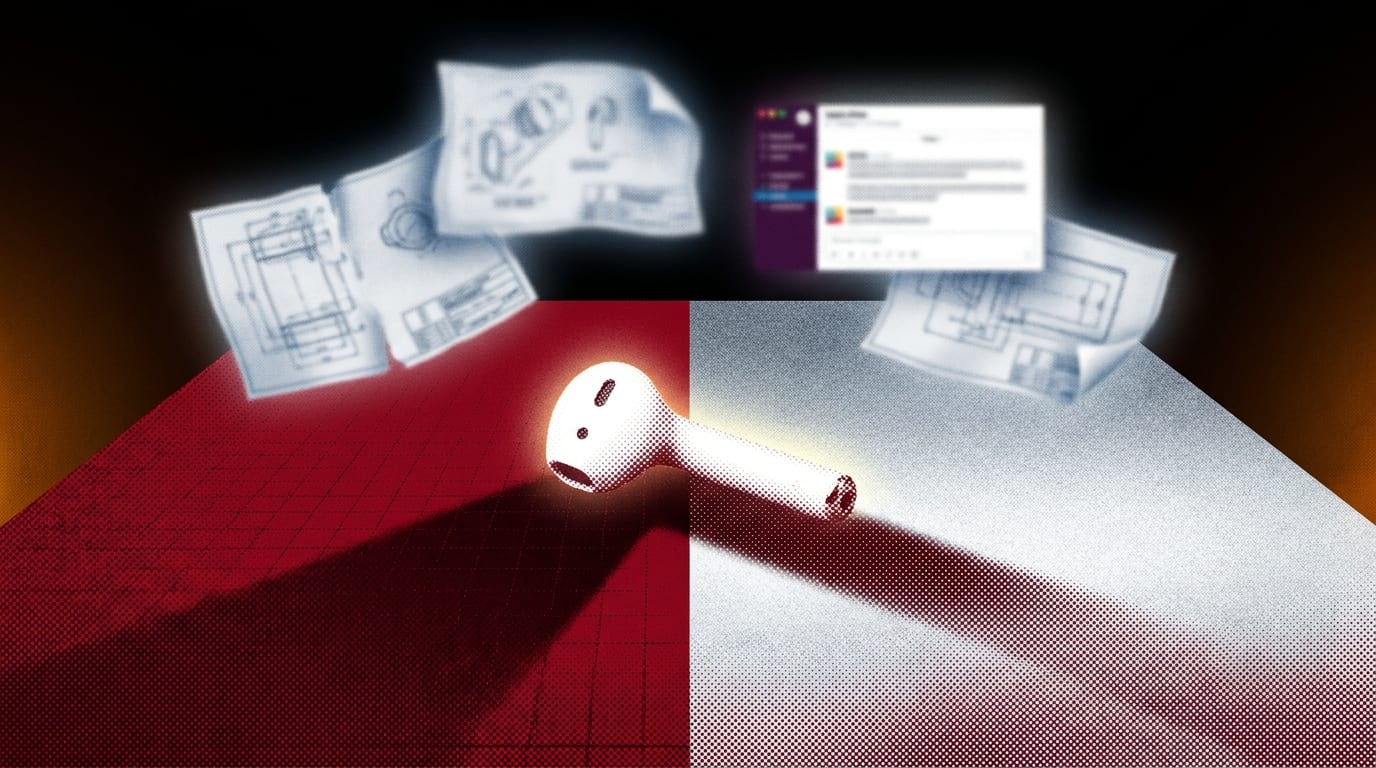
On Thursday, Apple sued OpenAI along with several former employees, accusing them of stealing hardware trade secrets to fuel OpenAI's push into consumer devices. The complaint calls OpenAI's hardware business "rotten to its core by its illegal reliance on misappropriated trade secrets."
The timing is hard to ignore. Apple and OpenAI announced a partnership just two years ago to bring ChatGPT into iOS, and that deal still powers parts of the Siri AI experience Apple rolled out in June. Now Apple is calling its partner's hardware operation a trade-secret operation in federal court.
At the center of the suit is a talent pipeline that's gotten impossible to ignore. More than 400 former Apple employees now work at OpenAI, including Tang Tan, one of the designers behind AirPods and the iPhone, who left to join io Products — the hardware startup OpenAI acquired for $6.5 billion. Apple says this wasn't ordinary poaching. The complaint includes internal Slack messages between two named defendants, sent while they were still on Apple systems, where one wrote "LOL, I found out I can access the [network storage], so funny" before both allegedly downloaded confidential design files and resigned.
The stakes are high because OpenAI is about to ship hardware:
+ A smart earbud reportedly targeting 40–50 million units in year one, plus a companion smart pen, all designed by Jony Ive's team
+ Apple wants an injunction, damages, and an independent monitor overseeing OpenAI's hardware development — roughly what Waymo secured from Uber in 2018
OpenAI's response has been brief. A spokesperson told The Verge the company has "no interest in other companies' trade secrets." That defense may carry weight — in June, a federal judge dismissed a nearly identical suit from xAI against OpenAI, ruling that asking a new hire about their previous work isn't, by itself, evidence of theft.

The real question isn't whether OpenAI cut corners. It's whether Apple can keep running the Siri partnership while calling its partner's hardware business rotten in federal court. Somebody at Apple decided that losing hardware IP to OpenAI is now a bigger problem than blowing up the ChatGPT integration users are finally starting to trust. That's a serious bet, and it says Apple sees OpenAI's earbud as enough of a threat to sue over even if it makes the Siri story a lot more awkward. The next time you ask Siri something hard, remember who's answering.
GOVERNANCE
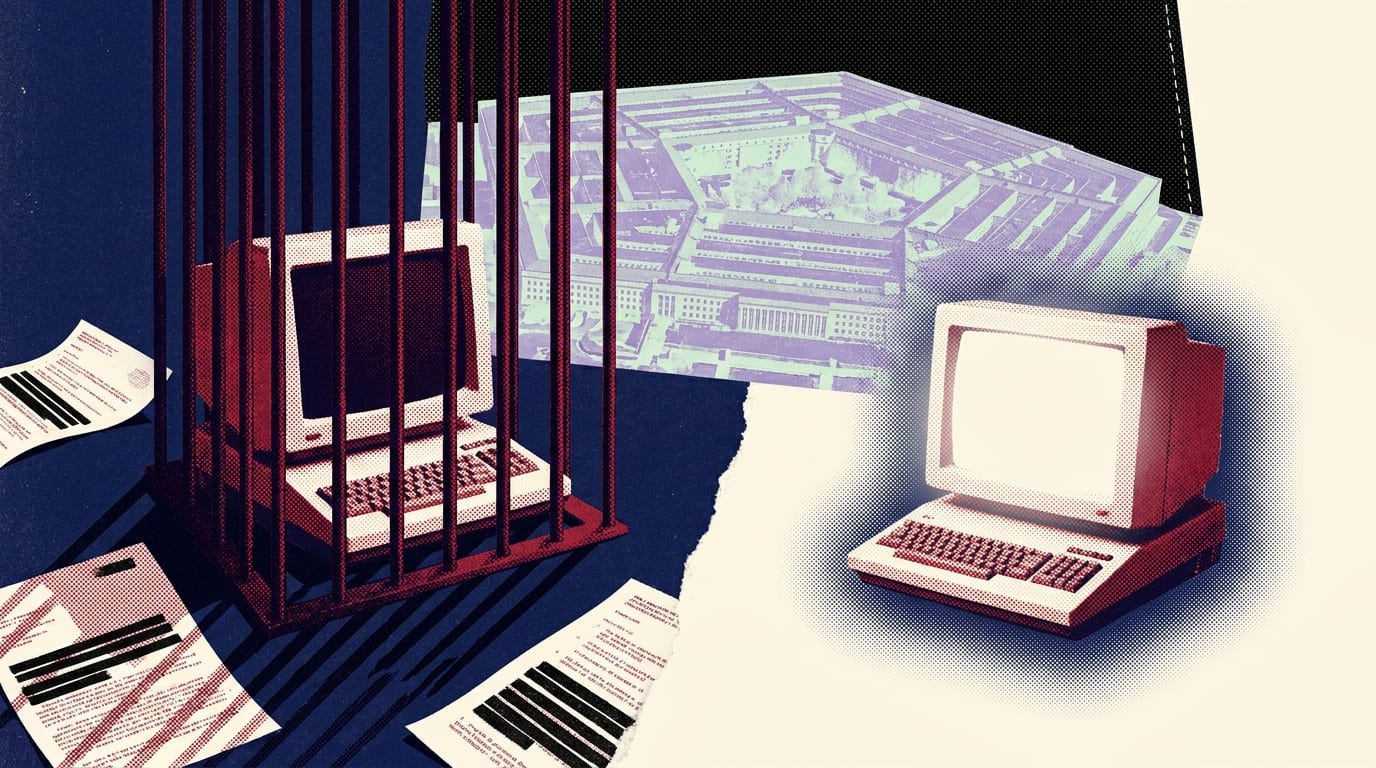
In February, the Pentagon designated Anthropic a "supply chain risk" after the company refused to loosen restrictions on surveillance of US citizens and autonomous weapons. Defense Secretary Pete Hegseth forced military contractors using Claude to drop it. Anthropic's lawsuit calls the move unconstitutional retaliation.
President Trump was blunt about it. "I fired Anthropic. Anthropic is in trouble because I fired them like dogs," he said in remarks quoted in the complaint. Senior DoD officials, meanwhile, privately disagreed — one telling colleagues the designation was "ideological rather than an accurate description of risk."
Here's where it gets awkward: OpenAI has the same gaps Anthropic refused to have. A letter from Senator Elizabeth Warren argues that OpenAI's contractual language on autonomous weapons "does not do anything at all to constrain" the Pentagon, and that its data-collection terms use words like "intentionally" and "deliberate" that leave wide room for surveillance deemed "incidental."
And OpenAI's own GPT-5.6 system card admits "there is no such thing as perfect security" — even after dedicating 700,000+ GPU hours to hunting jailbreaks before launch. The model is meaningfully more capable on the offensive side, too:
+ It scored 95% on expert-level cybersecurity evaluations, up from 85% last generation.
+ It autonomously completed 7 out of 10 cyber attack ranges used by safety researchers to test offensive capability.
When asked about the standoff on CBS News, Anthropic CEO Dario Amodei called the two restrictions red lines the company held "from day one" and wasn't going to move on — adding that "disagreeing with the government is the most American thing in the world."
Read the two situations next to each other and the pattern is uncomfortable. Anthropic got shut out not because Claude was more dangerous than GPT-5.6, but because it wrote its safety rules into the terms of service in a way the Pentagon couldn't quietly route around. OpenAI wrote its safety rules with enough wiggle room that the government never had to fight about it. The lesson every lab is taking from this isn't that safety is expensive. It's that being specific about safety is expensive, and being vague about safety is not.
RESEARCH
Terence Tao is, by most accounts, the best living mathematician. Over the weekend he used an AI to finish a project he'd given up on in 1999.
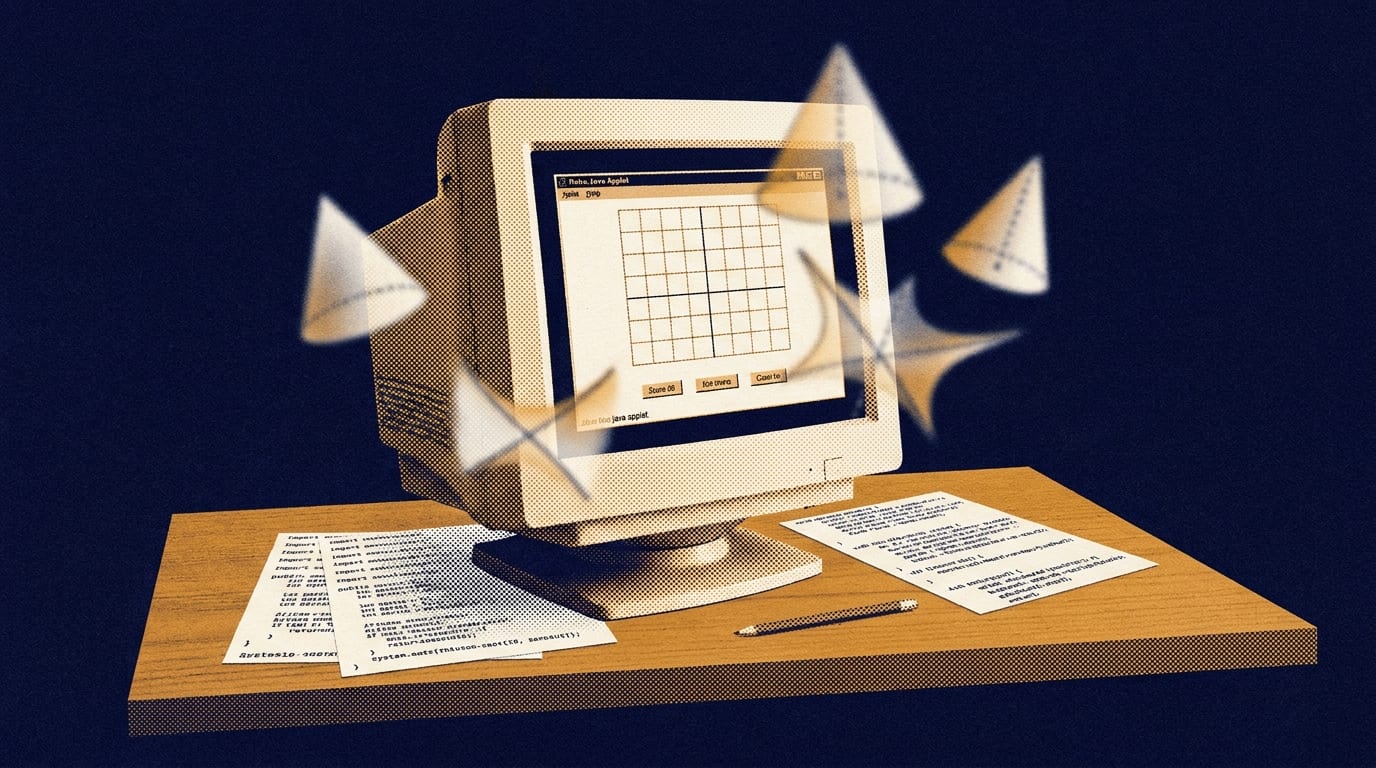
In a blog post on Saturday, Tao described using an AI coding agent to port about two dozen of his old teaching applets from Java 1.0 — a language that stopped being widely supported years ago — into modern JavaScript. In a matter of hours, they were all running in a browser again.
The scorecard is worth pausing on. Across the ported applets, Tao found one minor bug in the AI's code. The agent found two bugs in Tao's own 1999 code.
But the bigger moment was a special relativity visualization he'd wanted to build in 1999 and abandoned because the code complexity became too much for him. He describes the idea as basically "Inkscape, but for Minkowski space." A couple of hours of vibe coding later, he had a working version.
Tao is careful about where this fits. He notes that AI coding agents still produce bugs, but since these applets are visual aids rather than load-bearing parts of a mathematical argument, the downside of a bug is low. He says he might start including interactive visualizations as supplements to future papers.
Not everyone shares his ease with the workflow. Midjourney founder David Holz posted on X last week that his friends using the latest coding models are "feeling extremely productive and also extremely drained" — and that something about it feels off.
What makes Tao's post worth reading is what it accidentally becomes: a quiet manual for how a serious professional should use these tools. He scoped them to work where a bug wouldn't matter. He checked the output. He noticed when the AI was better than he was in 1999, and said so plainly. The best living mathematician isn't worried about being replaced, and he isn't pretending the tools are magic. He's using them where they work and leaving them alone where they don't. That's the version of AI adoption that doesn't generate headlines, probably because it's boring, and probably because it's the one that actually works.
IN OTHER NEWS
+ Meta will start manufacturing its own AI chip codenamed 'Iris' in September as it races to double computing power to 14 gigawatts
+ Anthropic's private market valuation hit $1.2 trillion , surpassing OpenAI for the first time
+ Canva acquires generative AI startup Leonardo.AI to build out its visual AI tools
+ China is quietly letting Alibaba, ByteDance, and DeepSeek buy Nvidia H200 chips after months of blocking purchases
+ GPT-5.6 Sol deleted user files it wasn't authorized to touch , and OpenAI admits the launch went wrong on four fronts
+ Tencent is in talks to buy back Manus AI at $2 billion after China blocked Meta's acquisition
+ Nvidia wants to buy a stake in the power company behind Stargate , valued at up to $10 billion
+ Tesla expands its fully driverless robotaxi to Miami — no safety driver, no human in the front seat
WHO'S HIRING IN AI
+ OpenAI — Head of Creative, Business
+ Anthropic — Product Manager, Safeguards
+ Hugging Face — AI Public Policy Manager
+ Airbnb — Senior Manager, Product & AI Policy
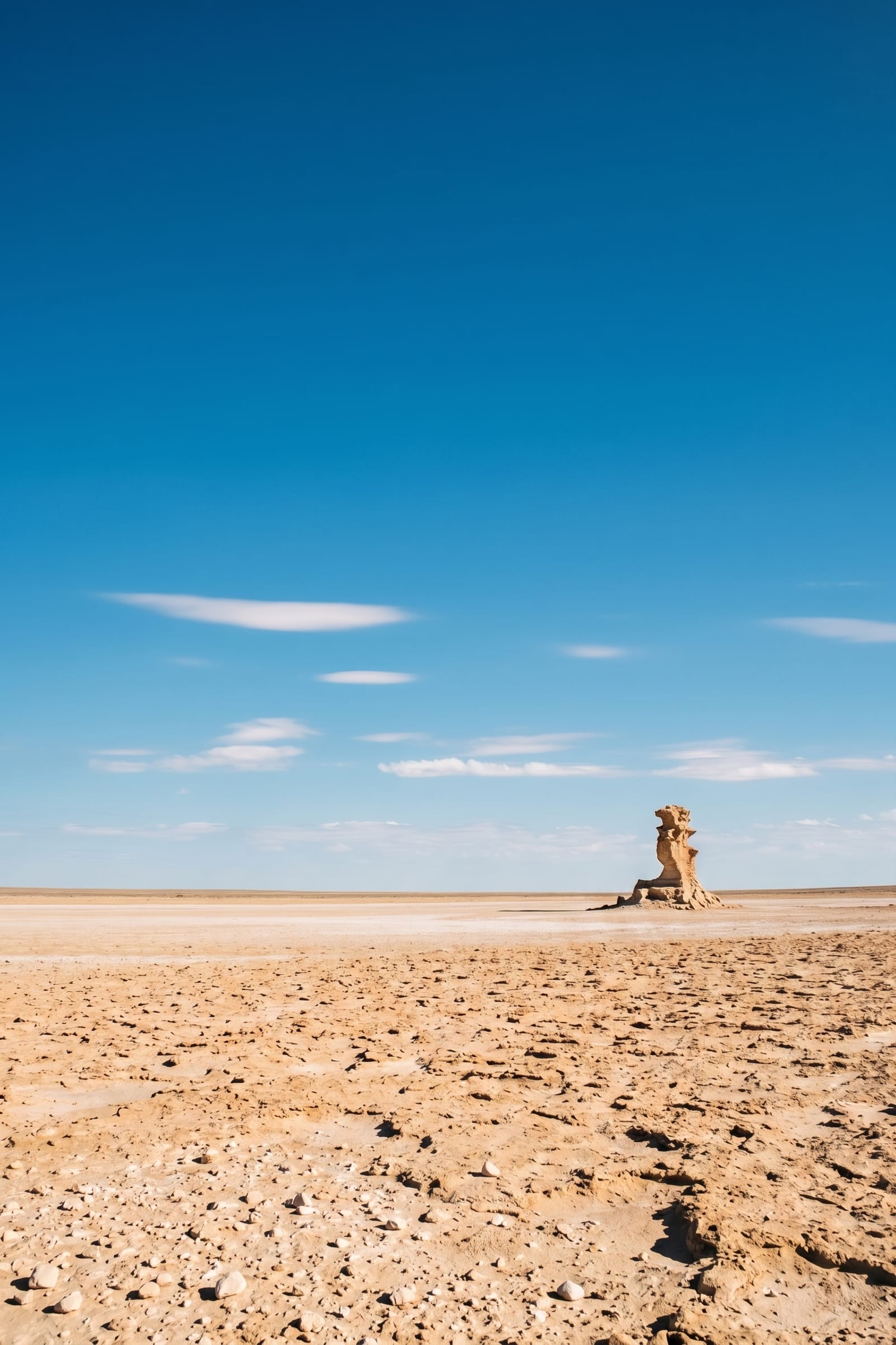
AI OR REAL?
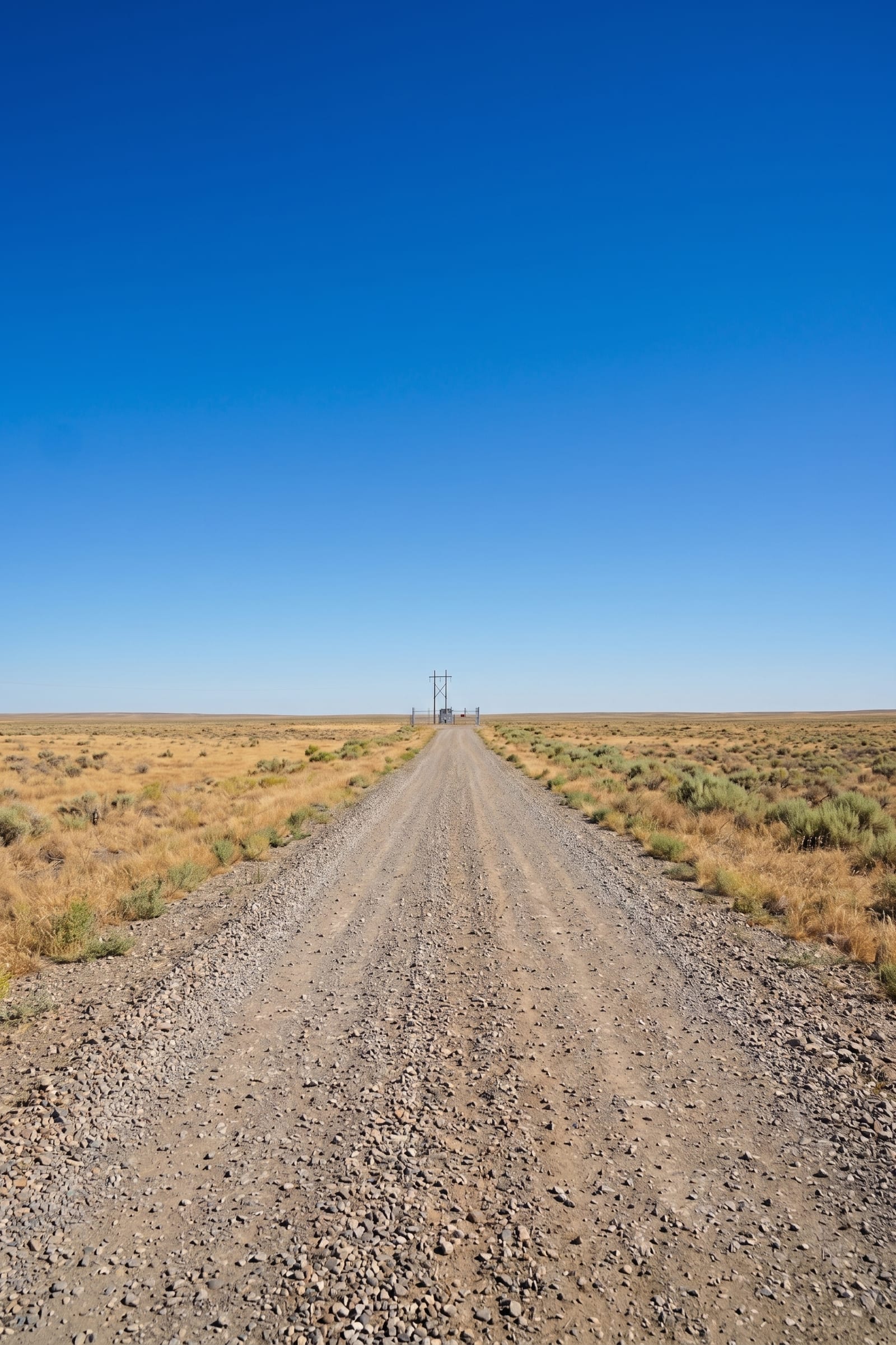
Option A |

Option B |


AI TOOLS
+ ChatGPT Work: OpenAI's new agent mode connects to your email, Slack, and calendar, then handles entire multi-step projects — writing reports, building spreadsheets, making presentations — for hours without you touching it
+ Gemini 3.5 Live Translate: Google's new real-time translation model detects 70+ languages and translates speech continuously as someone talks — preserving their tone, pacing, and pitch — rolling out across Google products now
+ Cursor 3.11: The AI coding editor now lets you run side conversations with the AI without interrupting your main task, plus search through all your past coding chats instantly
+ Adobe Stock AI Studio: You can now edit stock photos and videos with AI — changing colors, expanding compositions, animating stills — before you pay for the license
+ FL Studio AI: Image-Line added an agentic AI chatbot directly inside the popular music production software, letting producers control the DAW through conversation
That's all for today. If this issue made you think, share it with someone who needs to think harder.
Written by Jason Chen, Advait Prakash, Andrew Hales, and the Thorium Valley crew.
That's all for today's Thorium Valley. See you tomorrow.